A Narrative Review of Cardiovascular Health in Autistic Individuals: Epidemiologic Evidence, Mechanistic Pathways, and Future Directions
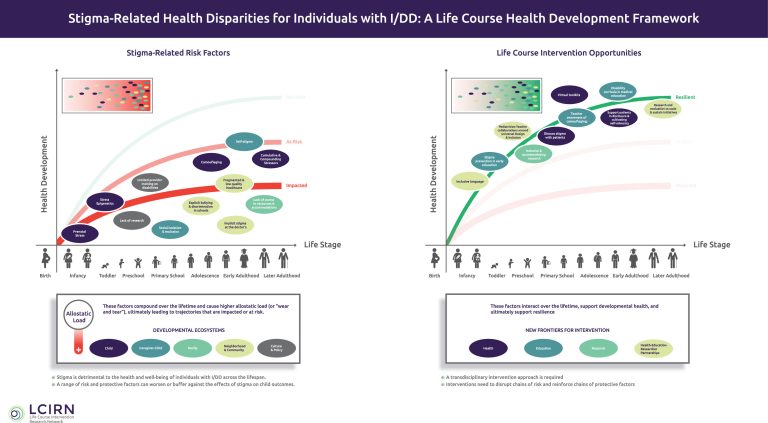
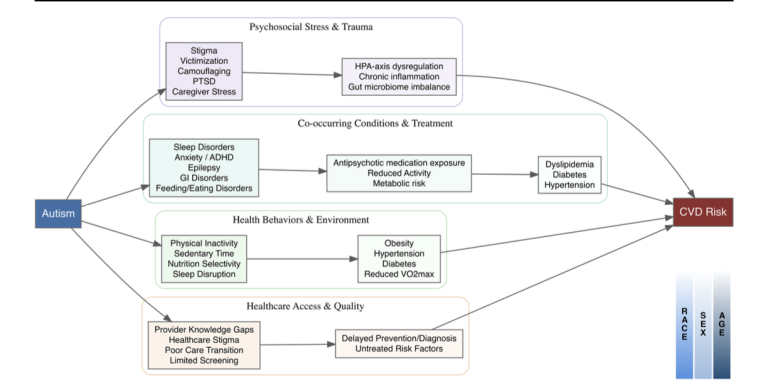
Autistic individuals are more likely than others to experience poor heart and cardiovascular health. This review brings together current research to better understand why these differences exist and what can be done to address them. Studies show that autistic people are more likely to have risk factors for heart disease, such as higher rates of obesity, stress, and certain co-occurring health conditions. These risks do not come from a single cause. Instead, they reflect a combination of factors, including health behaviors (such as diet and physical activity), biological processes (like stress hormones and inflammation), mental health, access to healthcare, and broader social and environmental influences. Family context and individual differences also play an important role. At the same time, existing research has important gaps. Many studies do not take a full, life-span view of health or fail to capture the complex ways that physical and mental health interact over time. This review highlights the need for more comprehensive and inclusive research approaches. Future studies should examine cardiovascular health across development, consider multiple levels of influence (from biology to environment), and focus on meaningful health outcomes rather than autism traits alone.