
Research publications
Explore our research findings and contributions to understanding stress and health in autistic teens and young adults. Our work is grounded in community-based participatory research.
-

Autism diagnoses for females are on the rise
Published in: Audacy
Abstract: On this edition of the Bay Area All Local, KCBS' Scott Cohn spoke with Emily Hotez, an assistant professor and autism researcher at UCLA's Fielding School of Public Health, about how more and more women and girls are receiving autism diagnoses.
-
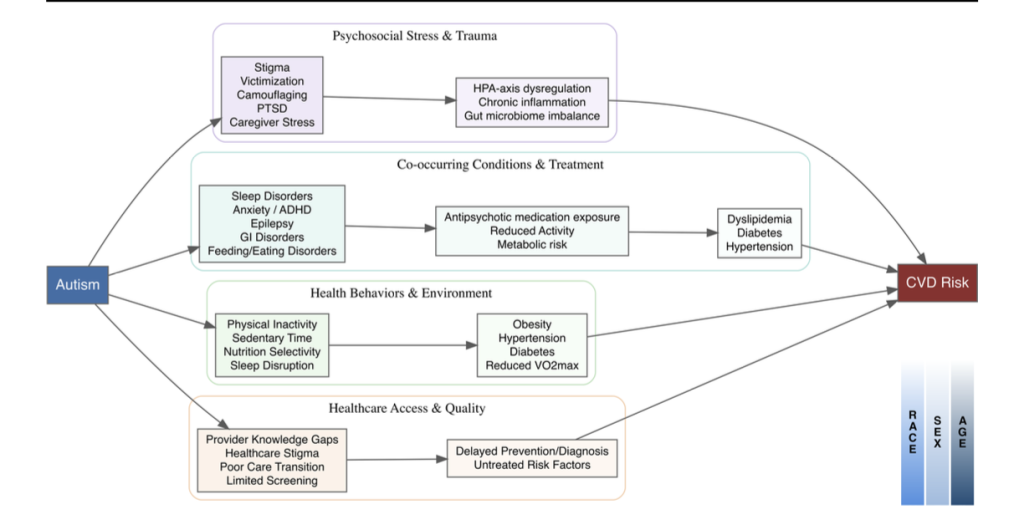
A Narrative Review of Cardiovascular Health in Autistic Individuals: Epidemiologic Evidence, Mechanistic Pathways, and Future Directions
Published in: Current Epidemiology Reports
Abstract: Autistic individuals are more likely than others to experience poor heart and cardiovascular health. This review brings together current research to better understand why these differences exist and what can be done to address them. Studies show that autistic people are more likely to have risk factors for heart disease, such as higher rates of obesity, stress, and certain co-occurring health conditions. These risks do not come from a single cause. Instead, they reflect a combination of factors, including health behaviors (such as diet and physical activity), biological processes (like stress hormones and inflammation), mental health, access to healthcare, and broader social and environmental influences. Family context and individual differences also play an important role. At the same time, existing research has important gaps. Many studies do not take a full, life-span view of health or fail to capture the complex ways that physical and mental health interact over time. This review highlights the need for more comprehensive and inclusive research approaches. Future studies should examine cardiovascular health across development, consider multiple levels of influence (from biology to environment), and focus on meaningful health outcomes rather than autism traits alone.
Read More about A Narrative Review of Cardiovascular Health in Autistic Individuals: Epidemiologic Evidence, Mechanistic Pathways, and Future Directions (opens in a new tab) Download PDF for A Narrative Review of Cardiovascular Health in Autistic Individuals: Epidemiologic Evidence, Mechanistic Pathways, and Future Directions (opens in a new tab) -
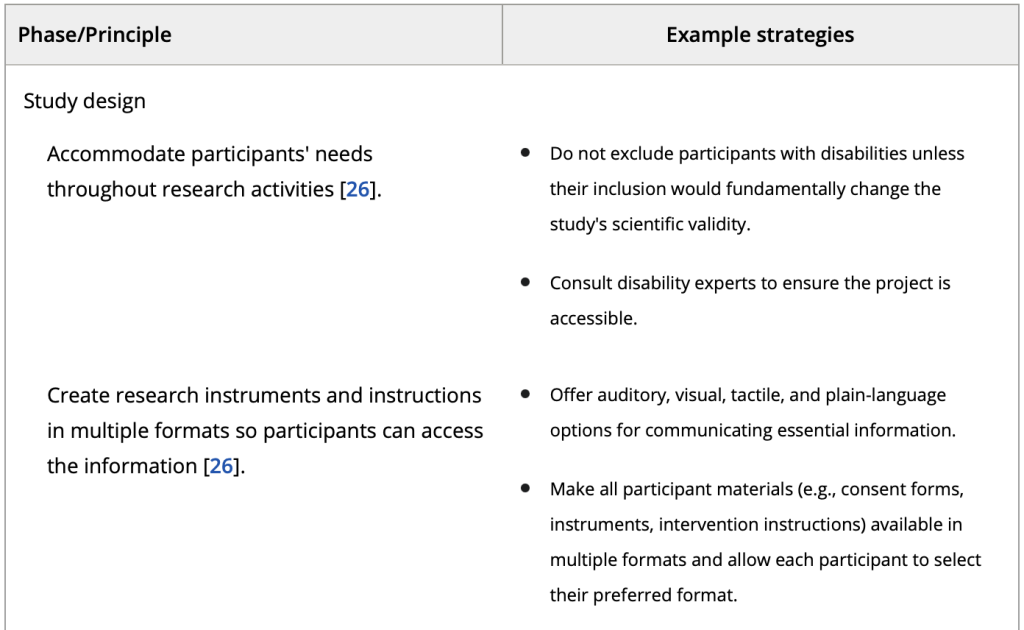
Aligning Biomedical Research With Neurodiversity to Support the Metabolic Health of Autistic Individuals
Published in: Obesity Science & Practice
Abstract: Autistic individuals represent approximately 1 in 31 people in the United States and experience disproportionately high rates of obesity, type 2 diabetes, cardiovascular disease, and feeding and eating challenges, alongside reduced life expectancy. However, evidence‐based metabolic health interventions for autistic populations remain sparse. This Perspective synthesizes evidence on two interconnected barriers that limit metabolic health research in the autism field: (1) lack of accessible biomedical research methodologies and (2) insufficient attention to mechanisms underlying poor metabolic health in this population, including chronic stress and weight stigma. Drawing on principles from neurodiversity, Universal Design for Research, and the Academic Autism Spectrum Partnership in Research and Education (AASPIRE) guidelines, we outline a neuro‐affirming paradigm that can improve metabolic health research in the autism field. Finally, we provide phase‐by‐phase practical recommendations for researchers, spanning study design, measure development, recruitment, consent, screening, data collection, and interpretation. Aligning metabolic health research with neuro‐affirming principles can generate more rigorous, representative, and ethically grounded evidence and ultimately support more meaningful improvements in metabolic health and overall well‐being for autistic individuals across the life course.
-

Separating Fact From Fiction: The Truth About Autism
Published in: Viewpoints Radio
Abstract: Misinformation about autism isn’t new—but it’s gaining traction in dangerous ways. This week, we confront the myths head-on, exploring what autism really is (and what it isn’t) and why political language and policy matter. Experts Kristyn Roth and Dr. Emily Hotez share what the latest science tells us.
-

We need a new kind of autism research — work that’ll actually help autistic people | Opinion
Published in: Houston Chronicle
Abstract: In this opinion piece, Drs. Emily Hotez and Alice Kuo argue that autism research funding has been disproportionately directed toward identifying causes rather than improving outcomes for autistic individuals and their families.
-

For the Love of Rachel
Published in: U Magazine
Abstract: In this interview, developmental psychologist Dr. Emily Hotez discusses how stigma and implicit bias contribute to health care disparities experienced by individuals with intellectual and developmental disabilities (IDDs).
-
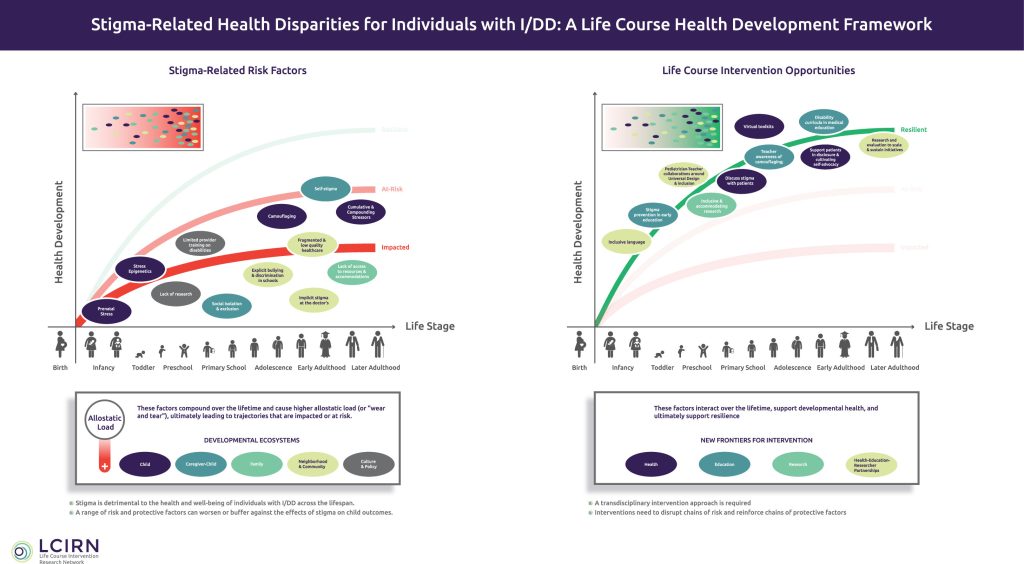
Using a life course health development framework to combat stigma-related health disparities for individuals with intellectual and/or developmental disability (I/DD)
Published in: Current Problems in Pediatric and Adolescent Health Care
Abstract: This study explored how college students understand and feel about autism and neurodiversity, and whether higher education can help reduce stigma as autistic students transition into adulthood. Most students expressed high overall acceptance of autistic people, but views were more mixed when it came to whether autistic behaviors should be changed or treated. Students also showed strong interest in neurodiversity, alongside wide differences in how much they knew about it. These findings suggest colleges have an important opportunity to build on students’ interest and promote more informed, stigma-reducing campus environments.
Read More about Using a life course health development framework to combat stigma-related health disparities for individuals with intellectual and/or developmental disability (I/DD) (opens in a new tab) Download PDF for Using a life course health development framework to combat stigma-related health disparities for individuals with intellectual and/or developmental disability (I/DD) (opens in a new tab) -
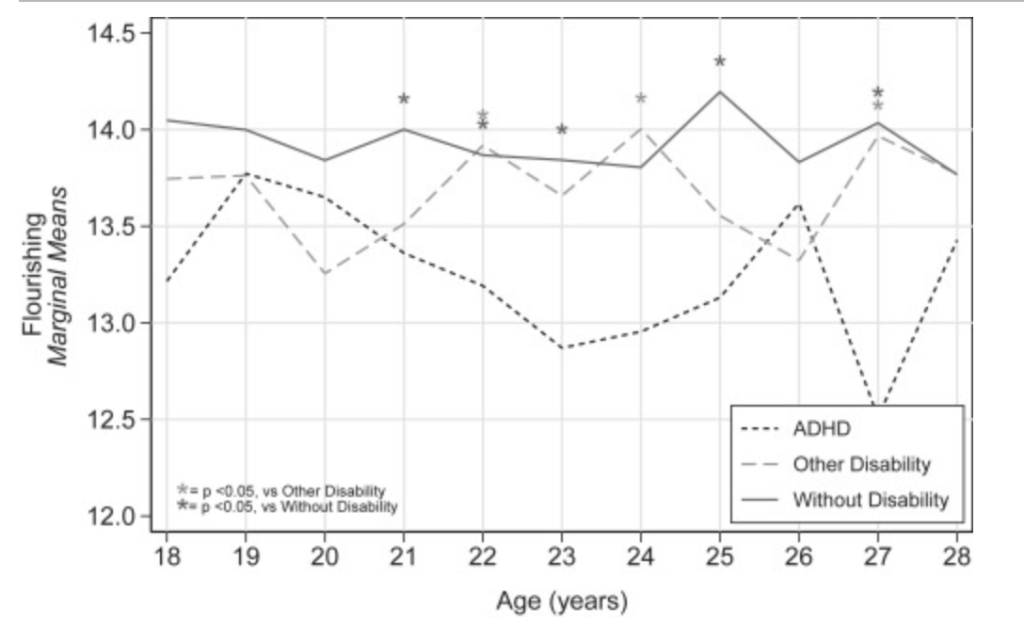
Health and Well-Being at the Transition to Adulthood Among Individuals With Disabilities: An Analysis of the Panel Study of Income Dynamics
Published in: Journal of Adolescent Health
Abstract: This study followed young adults with disabilities from ages 18 to 28 to understand how their mental well-being (“flourishing”) and overall health change over time. Compared with their peers without disabilities, young adults with developmental or learning disabilities, ADHD, and speech or vision impairments reported lower well-being and poorer health. Young adults with ADHD and developmental or learning disabilities often faced the greatest challenges, and their health and well-being followed different patterns over time. These findings highlight the need for targeted supports during the transition to adulthood to promote better health and well-being for young people with disabilities.
Read More about Health and Well-Being at the Transition to Adulthood Among Individuals With Disabilities: An Analysis of the Panel Study of Income Dynamics (opens in a new tab) Download PDF for Health and Well-Being at the Transition to Adulthood Among Individuals With Disabilities: An Analysis of the Panel Study of Income Dynamics (opens in a new tab) -
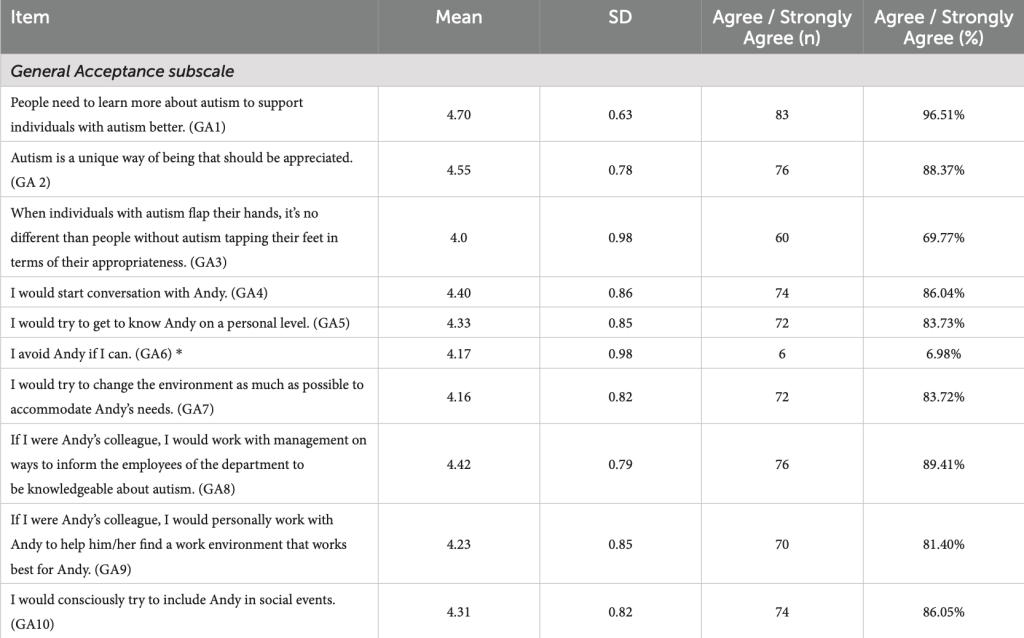
Brief research report: Investigating neurodiversity acceptance in the college classroom: an exploratory study
Published in: Frontiers in Education
Abstract: In the United States, about 1 in 6 children has an intellectual and/or developmental disability (I/DD). Across childhood, adolescence, and adulthood, people with I/DD experience worse health outcomes than the general population. One important and preventable reason for these disparities is stigma—negative attitudes, stereotypes, and discrimination that occur in schools, healthcare settings, communities, and public policy. This article discusses how preventing stigma can improve the health of people with I/DD across the lifespan.
No publications found
Try adjusting your filters.